
Signs It’s Time to Seal Your Asphalt Surface
Noticing cracks, fading color, or water pooling can indicate it's time to seal your asphalt surface, and local contractors can provide expert sealing services to protect and extend its lifespan.
If you own a property with an asphalt surface, recognizing the signs it’s time to seal your asphalt surface can help maintain its appearance and longevity. Over time, exposure to sun, rain, and regular use can lead to cracks, fading, and surface deterioration. Property owners in the area often explore this topic to protect their investment and avoid more costly repairs down the line. Understanding these visual cues and practical indicators can guide you in deciding when to seek the assistance of experienced service providers who specialize in asphalt surface sealing.
Keeping an eye out for common signs-such as surface cracks, surface oxidation, or minor potholes-can signal that sealing is needed to preserve the integrity of your asphalt. Local contractors who offer asphalt surface sealing services are equipped to assess your surface’s condition and recommend the right course of action. By staying proactive and addressing these signs early, property owners can help extend the life of their asphalt surfaces and maintain a safe, attractive property. Keep reading to learn more about how to identify these signs and when professional sealing may be the best choice.
- Driveway sealing - when cracks and surface wear become visible, local contractors can assess and apply a protective seal to extend the lifespan of the asphalt.
- Parking lot maintenance - signs of surface oxidation or fading indicate it’s time for sealing to improve durability and appearance, with local service providers handling the job.
- Commercial asphalt surfaces - areas showing early signs of deterioration or surface cracks benefit from sealing, which local pros can perform to prevent further damage.
- Residential pathways - if the surface begins to develop minor cracks or loses its color, local contractors can seal to restore and protect the asphalt.
- Industrial lot surfaces - when surface signs like cracking or surface erosion appear, local service providers can apply sealing to safeguard against future damage.
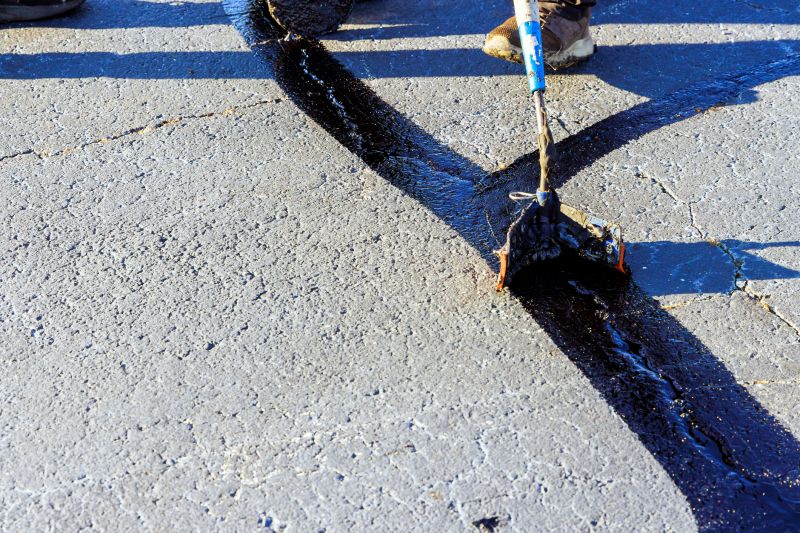
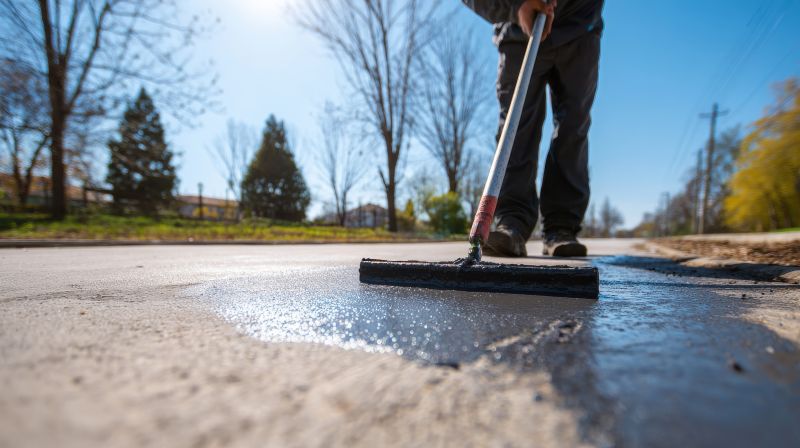
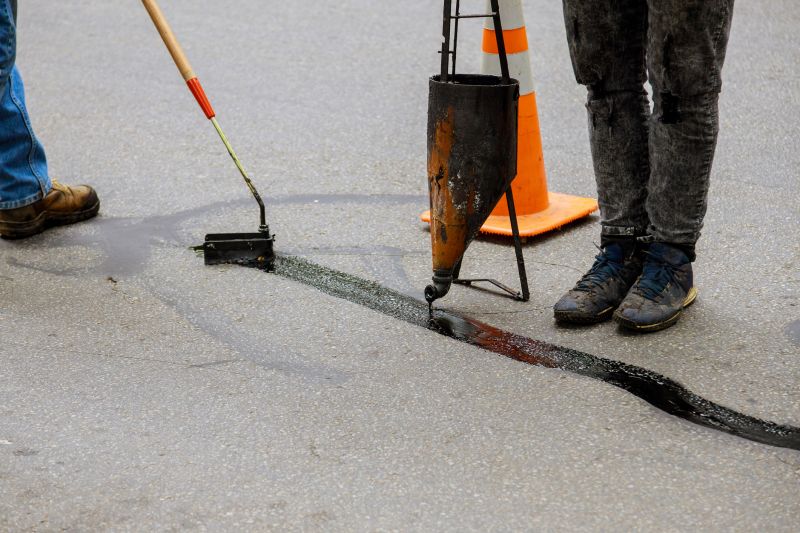
When people search for signs it’s time to seal their asphalt surface, they are usually trying to determine whether their driveway, parking lot, or other paved area needs maintenance. Over time, asphalt can develop issues that compromise its appearance and durability. Homeowners and property managers often notice surface wear, cracks, or discoloration and want to know if sealing can help protect their investment. Understanding these signs helps determine whether sealing is a necessary step to extend the lifespan of the asphalt and maintain a neat, functional appearance.
This topic relates closely to ongoing property maintenance or planning for future improvements. Many property owners seek sealing services when they observe surface deterioration that could lead to more costly repairs if left unaddressed. Cracks, surface fading, and the presence of water pooling are common problems that indicate the need for sealing. Additionally, plans to improve curb appeal or prepare a surface for upcoming events or seasonal changes can prompt property owners to consider sealing as part of their upkeep routine. Local contractors who specialize in asphalt sealing can assess the condition of the surface and recommend appropriate timing for sealing to prevent further damage.
The types of properties that typically come up in discussions about sealing include residential driveways, commercial parking lots, community pathways, and even private access roads. Residential properties often seek sealing to preserve their home’s curb appeal and prevent cracks from expanding. Commercial properties may prioritize sealing to maintain a professional appearance and ensure safety for customers and employees. Community spaces, such as parks or recreational areas, also benefit from sealing to keep surfaces smooth and safe for pedestrians and vehicles. Local service providers understand the specific needs of these property types and can help determine the right time to seal based on the surface’s condition and usage patterns.
Recognizing the signs it’s time to seal an asphalt surface involves observing several visual cues. Surface cracks, especially if they are wide or numerous, suggest that moisture has penetrated the material, which sealing can help mitigate. Faded or dull appearance indicates that the asphalt’s protective layer is wearing down, making it more vulnerable to weather damage. Water pooling or poor drainage points to surface issues that sealing can address by restoring surface integrity. For property owners, these signs signal that engaging local asphalt sealing pros can be a proactive step to protect their surfaces and avoid more extensive repairs down the line. Proper timing for sealing ensures surfaces stay durable and visually appealing for years to come.
Paving repair projects - these involve surface preparation and surface assessment skills similar to sealing asphalt, requiring knowledge of asphalt conditions and repair techniques.
Driveway resurfacing - this project involves surface cleaning, crack filling, and surface finishing, aligning with the skills needed to properly seal asphalt surfaces.
Parking lot maintenance - maintaining large asphalt areas requires planning and surface evaluation, which are essential for effective sealing and prolonging surface life.
Asphalt crack filling - identifying and repairing cracks is a key step before sealing, making this a related skill set for local contractors.
Surface cleaning and preparation - thorough cleaning is crucial before sealing, and this project involves similar tools and planning to ensure proper adhesion.
Sealcoating services - professional sealcoating involves surface assessment and application techniques that directly relate to sealing asphalt surfaces effectively.
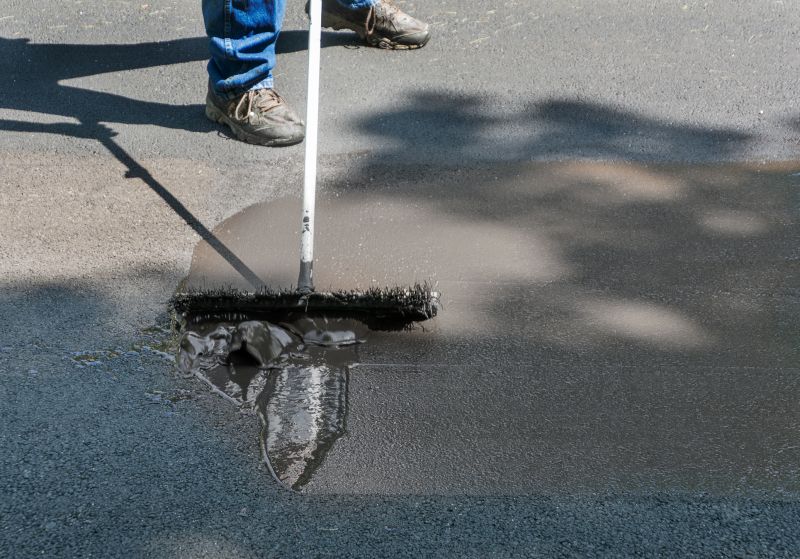
When evaluating asphalt surface sealing services, it’s important to consider the experience of local contractors with similar projects. Homeowners should look for service providers who have a track record of successfully sealing asphalt surfaces comparable in size and condition to their own. An experienced contractor understands the common signs it’s time to seal, such as surface cracking, fading, or minor surface deterioration, and can offer insights based on past work. This familiarity can help ensure the job is done properly, with attention to the specific needs of the surface, ultimately leading to a more durable and effective seal.
Clear written expectations are a key factor when comparing local pros for asphalt sealing. Homeowners should seek service providers who can articulate what the sealing process will involve, including preparation steps, the type of sealant used, and the expected results. Having detailed, written information helps prevent misunderstandings and ensures that both parties are aligned on the scope of work. It’s also beneficial to inquire whether the contractor provides a warranty or guarantee, which can serve as an additional layer of confidence in their professionalism and commitment to quality.
Good communication and reputable references are essential components when choosing a contractor for asphalt sealing. Homeowners are encouraged to ask for references or examples of recent projects, which can provide insight into the contractor’s reliability and quality of work. Additionally, responsive and transparent communication during the initial inquiry process can indicate how well the service provider values customer satisfaction. Contractors who are willing to answer questions thoroughly and provide clear, written information demonstrate professionalism and can help ensure the sealing project meets expectations.
Property owners often search for signs it’s time to seal your asphalt surface when they are planning practical projects around their homes and businesses. Local pros provide Asphalt Surface Sealing services for everyday jobs and straightforward project options.
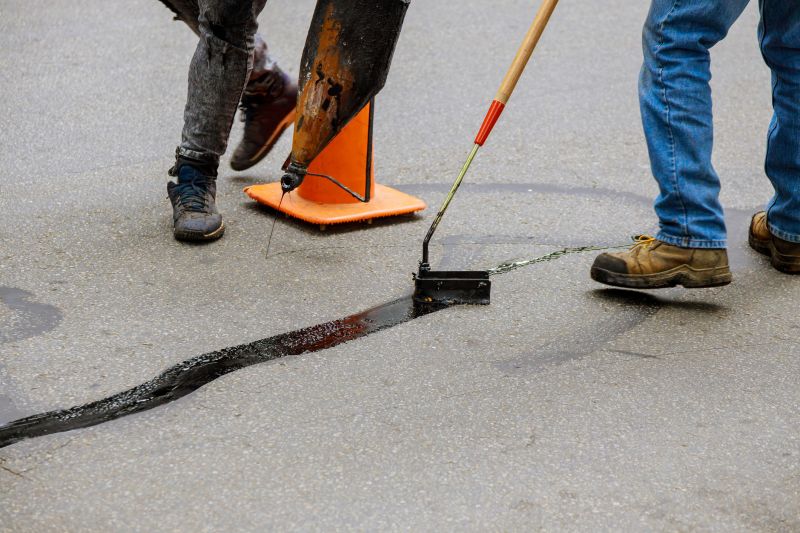
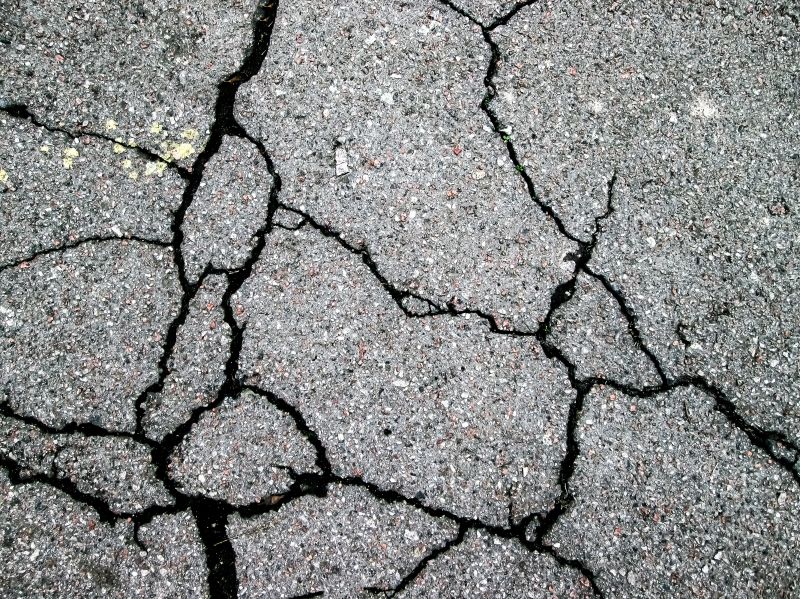
Property owners might notice cracks or small holes developing in their asphalt surfaces as signs it’s time to consider sealing. These minor damages can allow water to seep in, which may lead to further deterioration over time. Additionally, a faded or dull appearance often indicates the asphalt is losing its protective layer, making it more vulnerable to weather-related wear. When these issues become apparent, it’s a good idea to reach out to local contractors who specialize in asphalt sealing services to help preserve the surface and prevent more costly repairs down the line.
Other common indicators include the presence of surface oxidation or a powdery residue, which suggests the asphalt’s protective coating is breaking down. If the surface begins to feel rough or uneven underfoot, it could be a sign that sealing is overdue. Property owners in the area who observe these signs might consider consulting local service providers to evaluate their asphalt and determine if sealing could extend its lifespan and improve its appearance.
What are common signs it’s time to seal your asphalt surface? Visible cracks, fading color, and pooled water are typical indicators that sealing may be needed to protect the surface.
How does surface aging suggest it's time for sealing? When asphalt begins to lose its luster and shows signs of wear, sealing by local contractors can help restore and preserve it.
Can water pooling indicate the need for sealing? Yes, if water consistently pools on the surface, sealing can improve drainage and prevent further damage.
What role do cracks and surface deterioration play in deciding to seal? Cracks and surface deterioration are signs that sealing can help prevent further cracking and extend the lifespan of the asphalt.
Are there visual cues that suggest sealing is overdue? Fading color, surface roughness, and the appearance of small cracks are visual cues that local service providers can address with sealing.
Surface cracking or potholes - noticing cracks or potholes on the asphalt surface can indicate it’s time for sealing to prevent further damage, and local contractors can assess and address these issues.
Faded or worn appearance - a dull, faded surface suggests the seal coat has worn away, making sealing services from local pros a practical way to restore protection and appearance.
Oil or chemical stains - visible stains on the asphalt can penetrate the surface, and sealing can help protect against future staining while preserving the surface integrity.
Water pooling or erosion - areas where water pools or erosion occurs may signal the need for sealing to improve surface durability and prevent further deterioration.
If you are thinking about signs it’s time to seal your asphalt surface for a property, this guide is meant to help you understand this topic, the typical project types, and how different options might fit your plans.
When you are ready, you can use the quote form on this page to share a few details about your project. From there, local pros can review the basics and follow up with options that match what you have in mind.